
 By
By 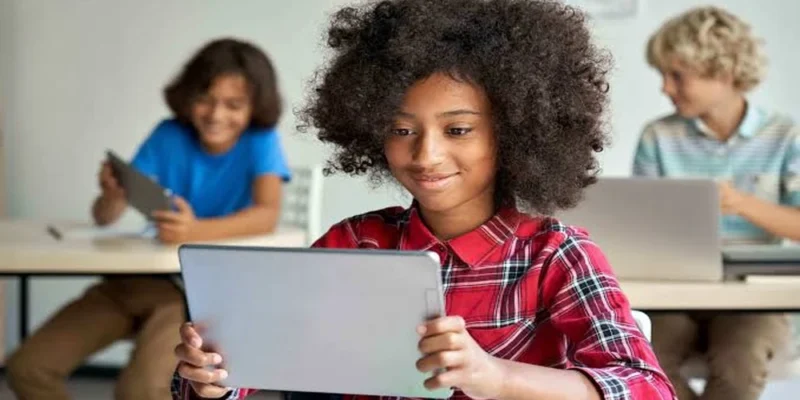
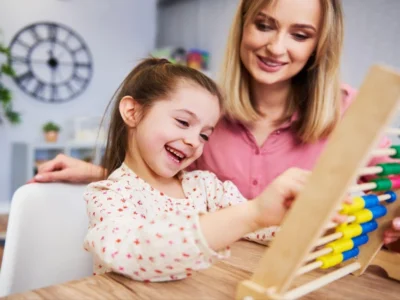
When the dialogue between a parent and child about the school starts, it’s one of the most mundane things. A student brings up some class project during family dinner, a parent observes different interest and all a sudden learning becomes something that is being experienced every day of the year, instead of blocked in a timetable! For families considering chiang mai international schools, these small moments can shape what they expect from learning. Modern education increasingly connects lessons with communication, curiosity, independence, and familiar routines. The change feels gradual. Yet it matters.
Technology with Clear Purpose
Technology has become part of ordinary school routines, although thoughtful use matters more than simply having devices available. Digital resources can support research, creative work, communication, and lesson preparation.
The aim is balance. Children still need conversations, books, physical activities, handwriting, and time away from screens. Modern classrooms tend to work better when technology supports these routines rather than replacing them.
Daily Habits Supporting Independence
Independence rarely appears overnight. It develops through small responsibilities repeated across the school week.
Children may gradually become comfortable with routines such as:
- Preparing materials before classroom activities begin
- Managing simple tasks within an agreed timeframe
- Asking teachers for clarification when something feels unclear
- Sharing ideas during small group classroom discussions
- Reflecting calmly on completed assignments and projects
These habits make responsibility feel ordinary rather than demanding.
Learning Approaches Families May Notice
Parents do not always see every classroom method directly. Still, changes often become visible through the way children talk about school, complete work, and approach unfamiliar tasks.
| Learning Approach | Everyday Classroom Experience | Habit It Encourages |
| Project learning | Completing connected tasks over time | Planning and patience |
| Group discussion | Sharing thoughts with classmates | Clear communication |
| Creative activities | Developing original responses | Flexible thinking |
| Independent study | Managing smaller personal tasks | Responsibility |
| Practical learning | Connecting lessons with real situations | Active curiosity |
The strongest routines often feel simple. They become part of the school day without making learning seem unnecessarily complicated.
School Life Beyond Academic Lessons
Education also happens between formal lessons. Lunchtime conversations, shared projects, creative sessions, sports, and ordinary classroom responsibilities can influence how children relate to other people.
Within chiang mai international schools, families may therefore look beyond academic subjects when considering everyday learning. Communication, adaptability, responsibility, and respect can develop through repeated experiences that rarely appear as separate lessons on a timetable.
Simple Questions Families Often Ask
- Do modern classrooms still use traditional teaching?Yes, Direct instruction, reading, writing, and structured practice can remain important alongside newer learning methods.
- Does technology replace books and written work?Not necessarily. Schools can combine digital resources with books, handwriting, discussion, and practical activities.
- Why does group learning matter?It gives children regular opportunities to listen, explain ideas, cooperate, and understand different viewpoints.
- Are independent activities suitable for younger students?They can be when responsibilities match a child’s age, and teachers provide appropriate guidance.
- What should families notice in modern education?Daily routines matter. Curiosity, communication, responsibility, thoughtful teaching, and balanced learning experiences can reveal a great deal about a school’s approach.
A Familiar Rhythm for Growing Minds
For most families, education becomes meaningful through ordinary moments rather than dramatic changes. A child starts explaining an idea more clearly, remembers to organize a task, or becomes comfortable asking for help. These details are easy to overlook. Yet they show how learning habits are taking shape.
Modern education functions secretly in the teaching and learning process, rooted in teaching styles and routines that allow children to develop physical bodies and mentally mature at their own speed. The predictable routine can help children feel more like school is a normal aspect of their life rather than a strange one.






Comments