 By
By 
Modern education systems across the world often emphasize measurable outcomes such as test scores and grade performance. In places like Fresno, where schools balance large student populations with limited resources, this often leads to teaching models that prioritize memorization over deep understanding. While memory plays an important role in learning, relying too heavily on it can limit creativity, problem-solving ability, and long-term knowledge retention.
Understanding why this pattern exists helps educators, parents, and students in Fresno rethink how learning success is defined.
The Structure of Standardized Testing
One of the main reasons memory is rewarded more than understanding is the dominance of standardized testing. Schools in Fresno, like many other regions, rely on tests to measure performance quickly and uniformly.
Standardized tests tend to favor memorization because:
- They are easier to grade objectively
- They allow comparison across large groups of students
- They focus on factual recall rather than applied thinking
- They reduce evaluation time for educators
While this system helps administrators track performance data in Fresno schools, it often fails to measure how well students actually understand or apply concepts in real life.
Classroom Time Constraints
Teachers in Fresno often face packed syllabi and strict academic calendars. This leaves limited time for discussion-based or exploratory learning.
When time is limited, educators may:
- Teach students “what to remember” rather than “why it matters”
- Focus on exam-focused revision techniques
- Skip project-based or discussion-heavy lessons
- Prioritize completing the syllabus over concept mastery
Cultural Expectations Around Academic Success
In many communities, including Fresno, academic success is often associated with high scores and rank positions. This creates pressure on both schools and students.
Common expectations include:
- High marks seen as proof of intelligence
- Fast recall valued over deep analysis
- Homework focused on repetition exercises
- Coaching systems reinforcing memory-based learning
These cultural patterns make it harder for education systems in Fresno to shift toward understanding-based learning.
The Impact on Student Development
When education systems prioritize memory, students may struggle later in real-world situations. Many Fresno graduates may notice this shift when entering higher education or the workforce.
Potential long-term effects include:
- Difficulty applying knowledge in new situations
- Reduced critical thinking skills
- Lower confidence in problem-solving
- Dependence on instructions rather than innovation
Understanding-based learning helps students in Fresno become adaptable thinkers rather than just strong test performers.
The Role of Technology in Reinforcing Memory Learning
Interestingly, technology can both help and worsen the problem. In some Fresno classrooms, digital learning tools are used mainly for quizzes and revision drills.
When technology is used poorly, it may:
- Encourage fast-answer culture
- Reward quick recall rather than analysis
- Promote surface-level learning habits
- Reduce patience for complex thinking tasks
However, when used well, technology in Fresno schools can support simulations, research projects, and interactive learning.
Moving Toward Understanding-Based Education
Education systems in Fresno are slowly exploring changes that encourage deeper learning.
Promising approaches include:
- Project-based learning models
- Open-ended questioning techniques
- Group discussions and peer teaching
- Real-world problem-solving activities
- Cross-subject integration learning
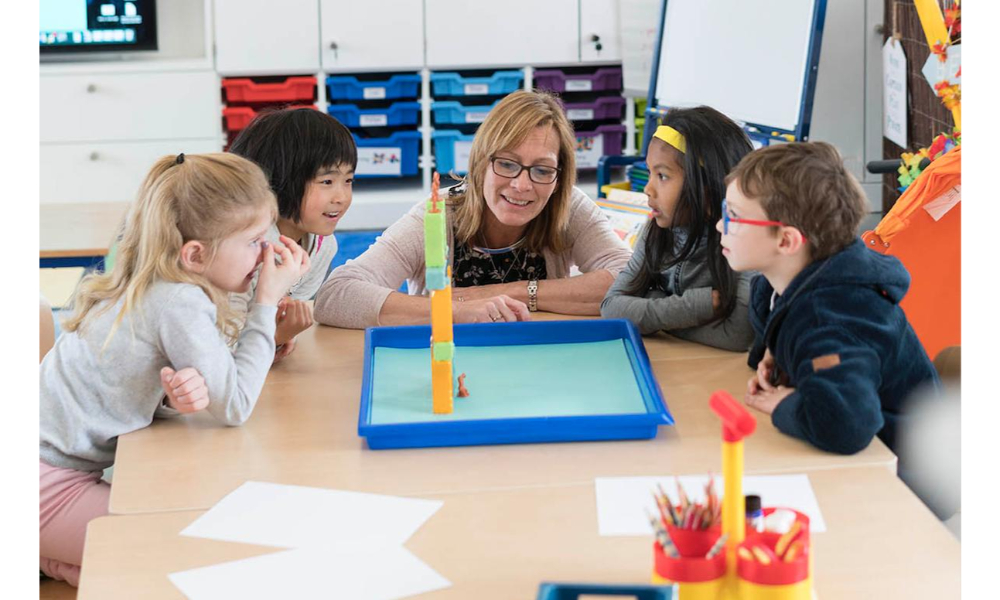
These methods help students connect knowledge with real-life situations, making education more meaningful in Fresno classrooms.
Balancing Memory and Understanding
Memory itself is not the problem. In fact, strong memory supports deeper learning. The real challenge for Fresno education systems is balance.
Effective learning should combine:
- Foundational knowledge through memory
- Concept clarity through explanation
- Skill development through application
- Creativity through exploration
When schools in Fresno balance these elements, students are more likely to succeed academically and professionally.
Final Thoughts
Modern education often rewards memory because it is easier to measure, standardize, and scale. However, for long-term success, students in Fresno need more than recall ability. They need understanding, adaptability, and critical thinking.
Shifting educational focus can help create learners who are prepared for real-world challenges, not just examinations.




Comments