
 By
Key Highlights:
- Language feels more meaningful when children see how it links to their roots.
- Festivals offer natural, hands-on moments to use Mandarin with family.
- Stories, food and family history can spark curiosity about culture.
- Keeping things relaxed helps children enjoy learning rather than resist it.
More Than Just Words on a Page
Let’s be honest: for many kids, Mandarin can feel like just another subject. There’s spelling to learn, compositions to write and tests to prepare for. But language is also tied to who we are, where our families come from and the traditions we share. When children start to see that link, learning often feels less like homework and more like something personal. Many parents look into Chinese tuition in Singapore to build language skills, and some choose PSLE Chinese tuition as exams get closer. Alongside that, there’s plenty you can do at home to help your child feel connected to the culture behind the words.
Why Culture and Language Go Hand in Hand
Think about the phrases your family uses during celebrations, or the nicknames grandparents give their grandkids. These little things carry meaning that textbooks can’t always capture. When children understand the stories and values behind certain words, those words tend to stick. Suddenly, a new word has a story attached to it.
Culture also gives kids a reason to care. A child who knows why the family gathers for reunion dinner, or why elders hand out red packets, has a real-life context for the language they’re learning. It turns vocabulary into something they can actually use. Chinese tuition in Singapore can support this too, especially when lessons include cultural themes alongside reading and writing practice.
Festivals as Everyday Learning Moments
Festivals are one of the easiest ways to bring culture and Mandarin together. They come around every year, and most families already take part in some way, big or small. Here’s how a few of them can become chances to learn:
| Festival | Family Activity | Language Link |
| Chinese New Year | Visiting relatives and giving red packets | Practising greetings and well wishes |
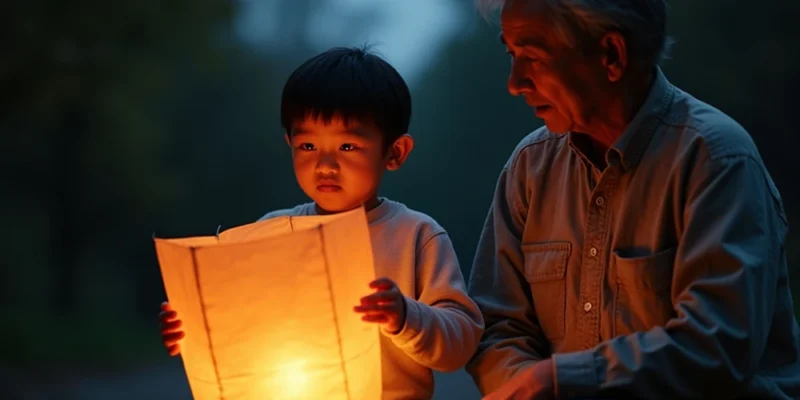
| Mid-Autumn Festival | Sharing mooncakes and carrying lanterns | Talking about the story behind the festival |
| Dragon Boat Festival | Eating rice dumplings together | Learning how the festival began |
Even kids taking PSLE Chinese tuition can benefit from these moments, since real conversations help them use words more naturally outside the classroom.
Bringing Culture Into Home Life
You don’t have to wait for a festival to explore culture. Everyday routines offer plenty of chances. Cooking a family recipe together? Talk about where it came from and who taught it to you. Looking through old photos? Share stories about grandparents’ childhoods or the places your family has lived.
Grandparents can be a great source here too. Encourage your child to ask them questions in Mandarin, even simple ones like what games they played growing up. It builds language skills and family bonds at the same time. If your child attends Chinese tuition in Singapore, they might even bring these stories into class discussions or compositions.
Keeping It Fun, Not Forced
The quickest way to lose a child’s interest is to make culture feel like another chore. A few tips to keep things light:
- Follow their interests. Food lovers can start with recipes; story lovers, with folk tales.
- Keep it short. A five-minute chat over dinner can be just as useful as a long session.
- Join in yourself. Kids are more likely to engage when they see you taking part.
- Skip the pressure. Mistakes are fine; focus on the conversation, not corrections.
- Celebrate curiosity. Welcome their questions, even if you have to look up the answers together.
If your child also attends PSLE Chinese tuition, these relaxed moments can balance out the more structured exam practice.
Growing Roots While Learning to Speak
Helping your child build a sense of cultural identity doesn’t need to be complicated. It’s about weaving small moments into everyday life, whether that’s a festival meal, a family story or a quick chat with grandparents over the weekend. Over time, these experiences help kids see Mandarin as more than a school subject. It becomes a way to understand their family, their traditions and themselves. And when learning feels personal, children are often more motivated to keep going, even when the lessons get tougher.
Contact Tien Hsia to find out more about their Chinese tuition classes and how they can help your child connect with the language.




Comments